The Coromandel Doesn’t End Where the Road Stops.
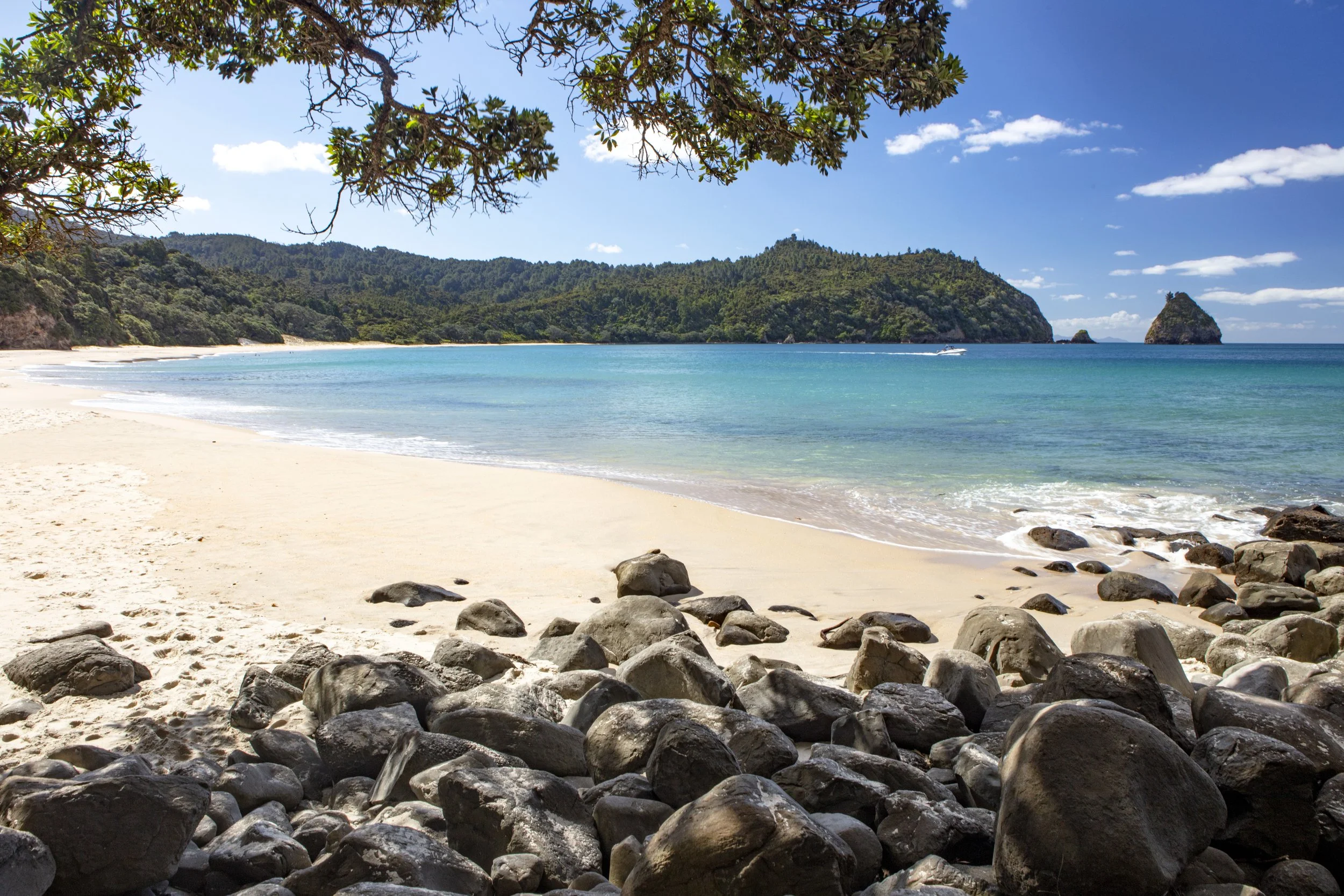
By the time you reach Opito Bay, you’ve earned a look at the sea.
The Coromandel’s winding roads have a way of making a relatively short journey feel like an expedition, especially for anyone in the back seat. Then the hills open up, the water comes into view and you remember why you came.
For many people, that first glimpse is the beginning of a holiday. For us, it’s a view of the reason we came to the Coromandel Peninsula and make our lives in this special place.
We also make sea salt here.
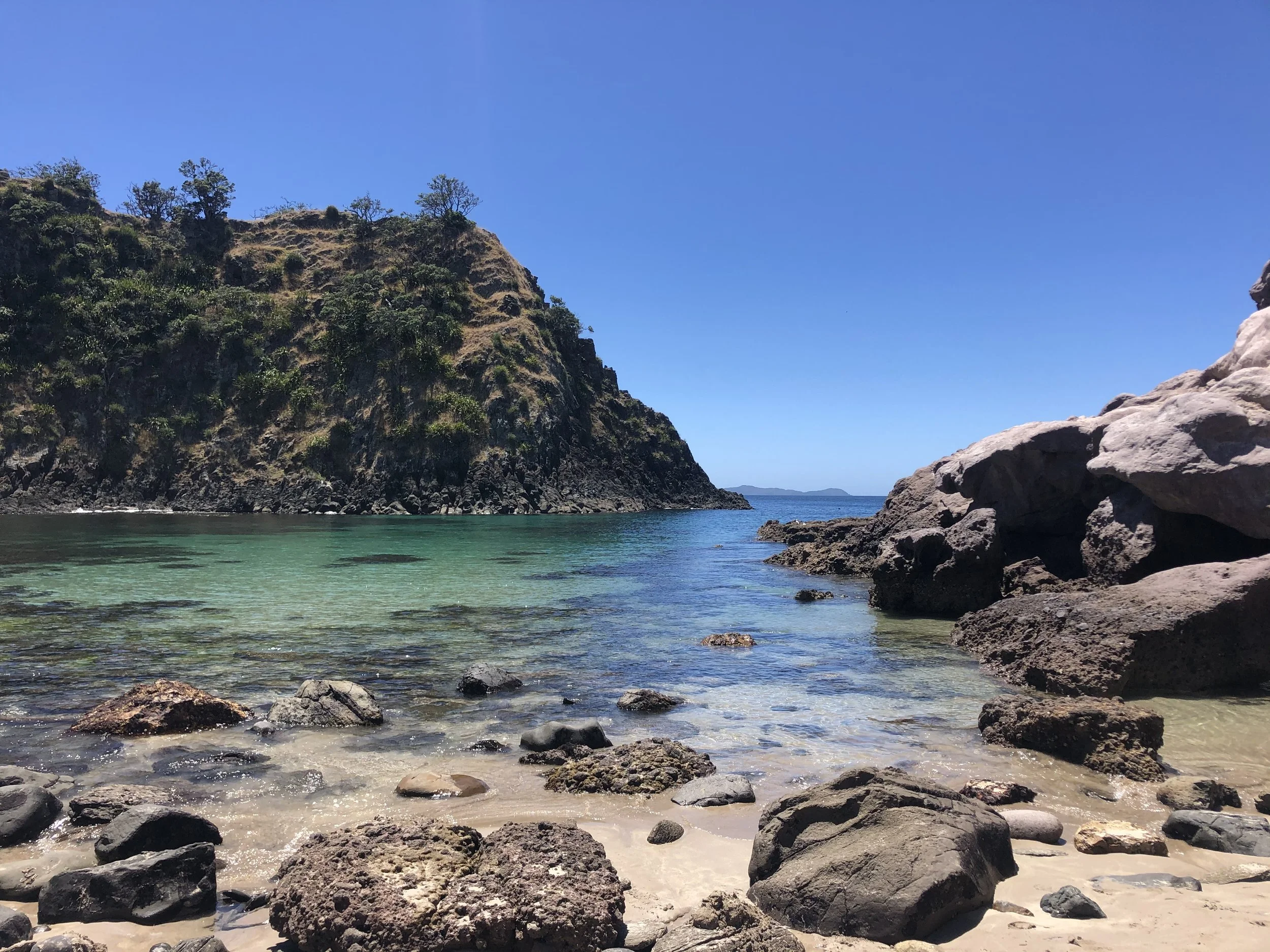
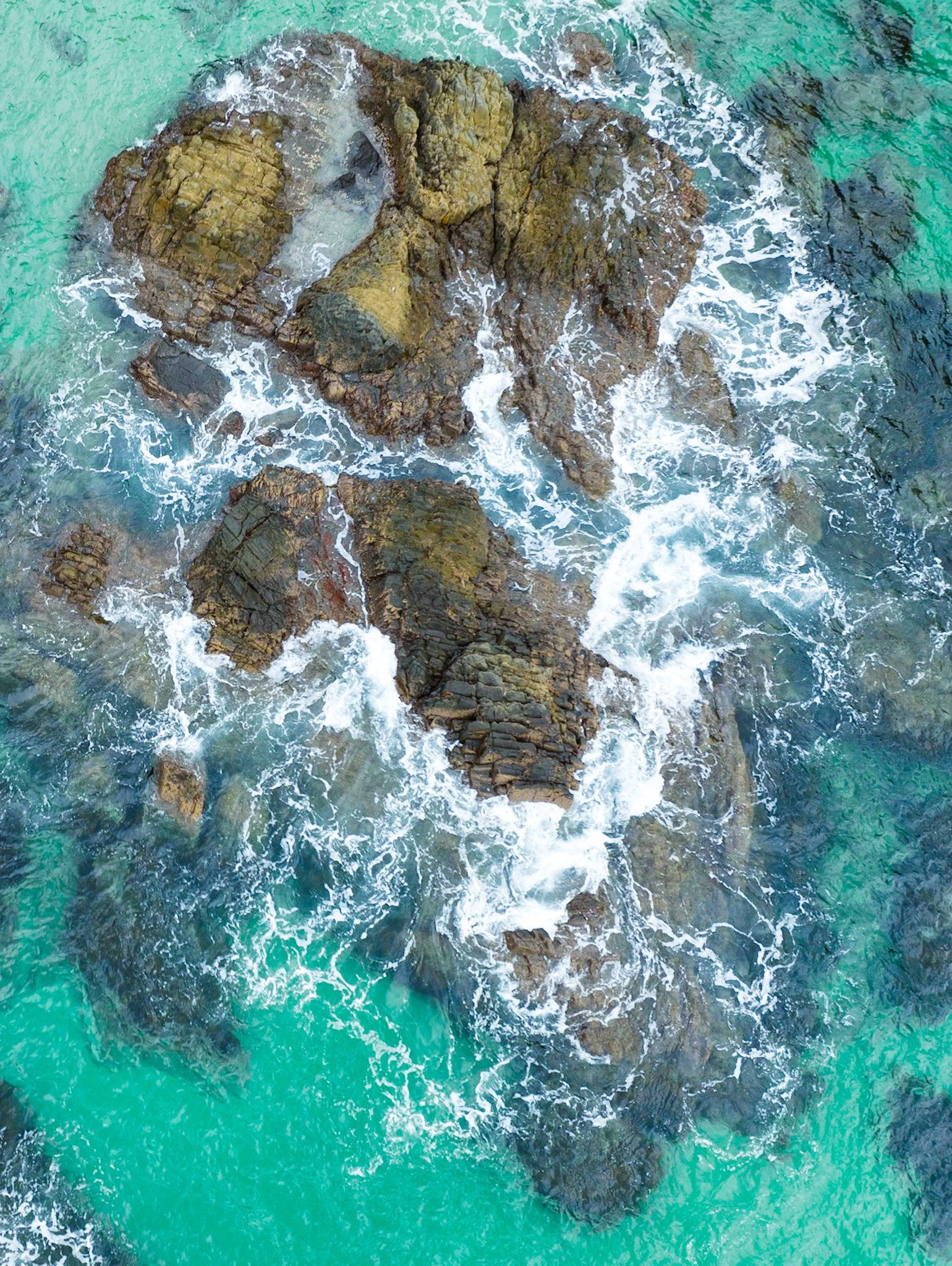
Stand on the beach and look out towards the Mercury Islands. Beyond the sheltered water lies the open Pacific. Head around the coast and the view keeps changing: sand gives way to rock, another bay opens between the hills, and the water shifts from green to deep blue. Some of the best of the Coromandel is beyond the last place you can park a car.
There’s more to those islands than the view. The smaller Mercury Islands are nature reserves, refuges for native wildlife. Further along the coast near Hahei, Te Whanganui-o-Hei Marine Reserve protects sandy flats and rocky reefs beneath the surface. Living and working here gives us plenty of reasons to value what’s beyond the beach.

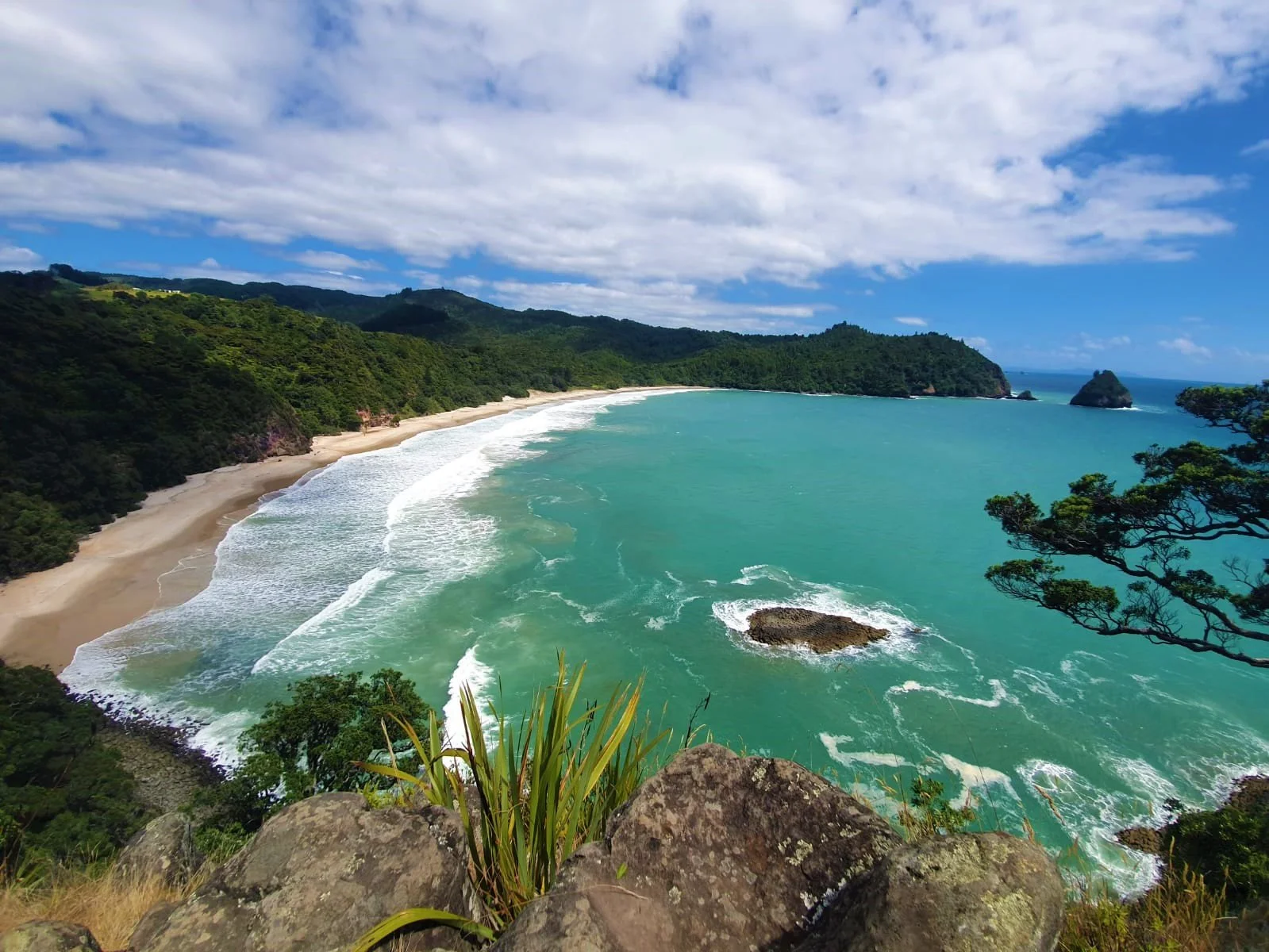
It’s a place you can spend years getting to know. Farming sea salt has given us more reasons to pay attention, to admire to understand and to be grateful.
Sunshine, for instance, becomes rather more than a good excuse to go fishing. We need it to turn seawater into something we can harvest. Luckily there’s plenty of it.
At the salt farm, we pass the water through a very fine filter (fine enough to remove micro-plastics - 50 micron or 0.002 inches) before it enters the salt ponds beneath our tunnel houses. Then we work with the sun. As water evaporates, the brine grows more concentrated until crystals begin to form.
That change still holds my attention. The creation of the fleur de sel, the gradual crystallization and the moment that it’s perfect for hand-harvesting. We gather by hand so as to retain the structure of the crystals which are by now laden with the natural minerality of the ocean. There’s plenty of work between those two things, but there’s something remarkable about how little we need to add. For us its important that natural sea salt is just that. No boiling, washing with chemicals, bleaching or anti-caking agents. You are getting sea salt in its most natural form. And proudly, it’s raw and unprocessed New Zealand sea salt!
Knowing when to harvest is where experience comes in. You watch the beds, follow the weather and learn what each batch is doing. A familiar process can produce a different result as the season changes.
Our winter salt tends to have a more intense and minerally in character. Summer can bring a flakier crystal and a gentler flavour. Both taste of the sea, but spend enough time making and tasting them and you begin to notice their personalities.
We wanted to understand those differences better, so we sent two samples for independent analysis. When the results came back in November 2025, one contained more than four times the magnesium of the other.
Same farm. Two very different harvests.
The figures describe those particular samples; they aren’t a promise about every pack. What caught our attention was how much variation there could be in an ingredient most people expect to be identical each time they buy it. Naturally occurring magnesium, calcium and potassium are part of our salt, and their proportions vary between harvests.
We readily accept that a season changes fruit or that an olive oil has the character of the place it comes from. Salt deserves a little of that curiosity too.
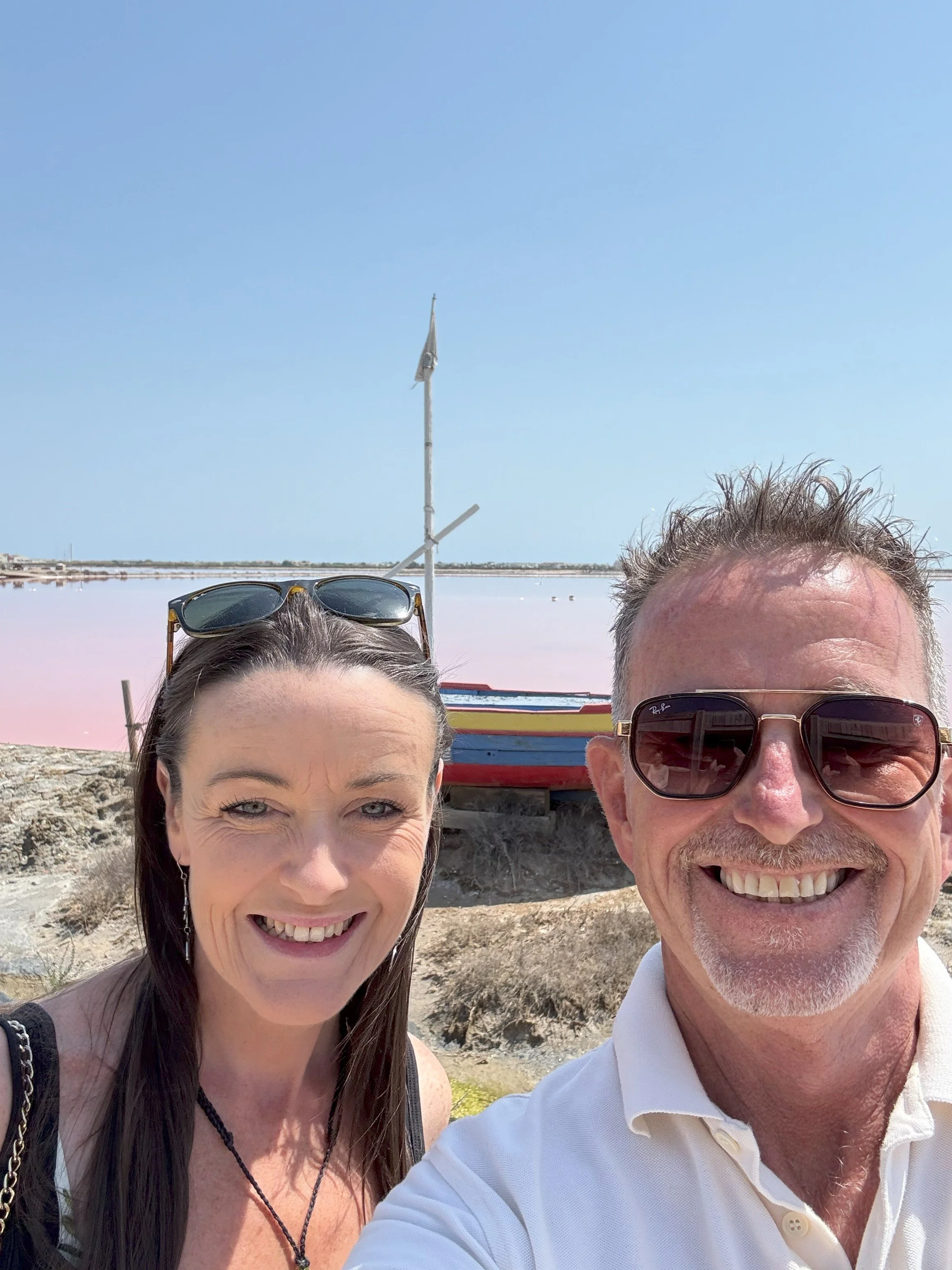
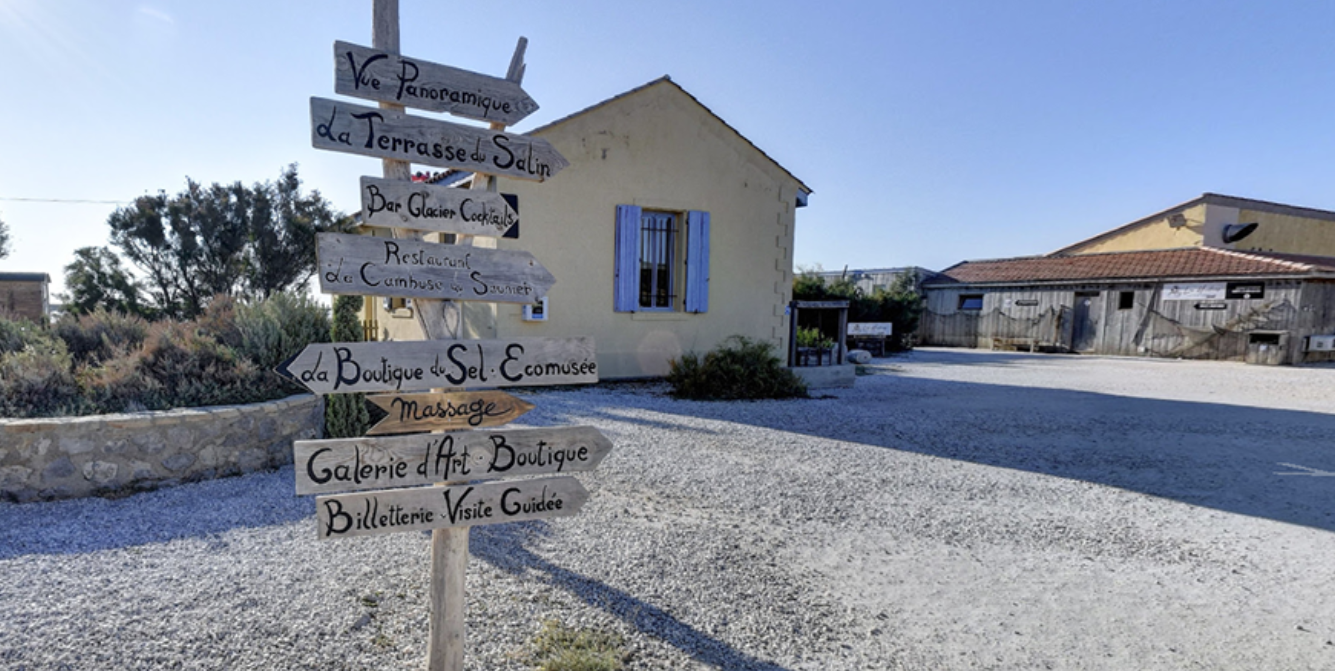
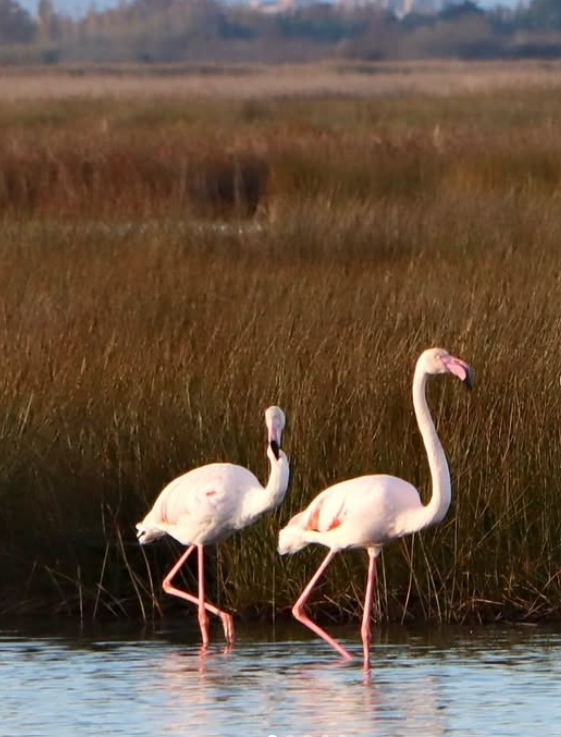
It’s a curiosity I’ve taken to other salt farms. I’ve visited makers in Sicily just outside Trapani and at Gruissan, in France wanting to understand their processes, their water and there product. I learnt how they manage sea salt and when they decide to harvest. You learn a great deal by looking at the work and craft behind an everyday ingredient and by spending time with the artisans that make it.
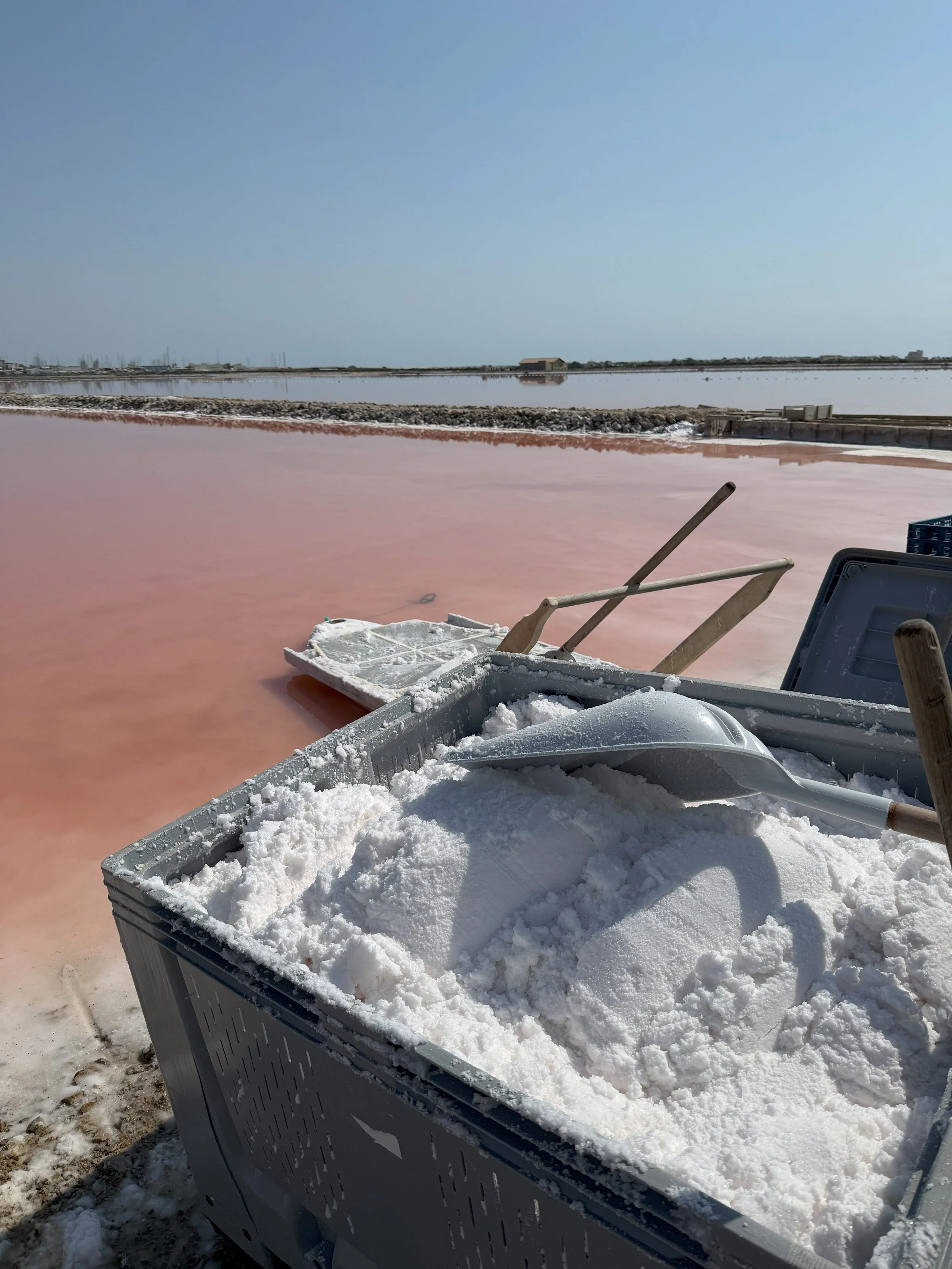
Back at the salt farm, our harvested crystals are drained and dried. We don’t wash, process or refine them. The seawater is concentrated through solar evaporation. Those simple steps explain more about our salt than the word “natural” could on its own.
They also explain why the name on the pack matters to us. Coromandel Salt comes from an actual salt farm in the remote east of the Coromandel Peninsula, with the coast minutes away and the variation of every season making itself felt in the ponds and product we make. We live here, work here and gather something from the water that gives this place so much of its character.
If you know the Coromandel, you probably have your own place in mind already. A fishing spot. A beach you return to. That first glimpse of blue after another bend in the road.
For us, there’s also the sight of fresh salt gathered beneath the tunnel-house arches, with the sea just beyond. A little of the place, Coromandel. Sea salt in its most natural form.